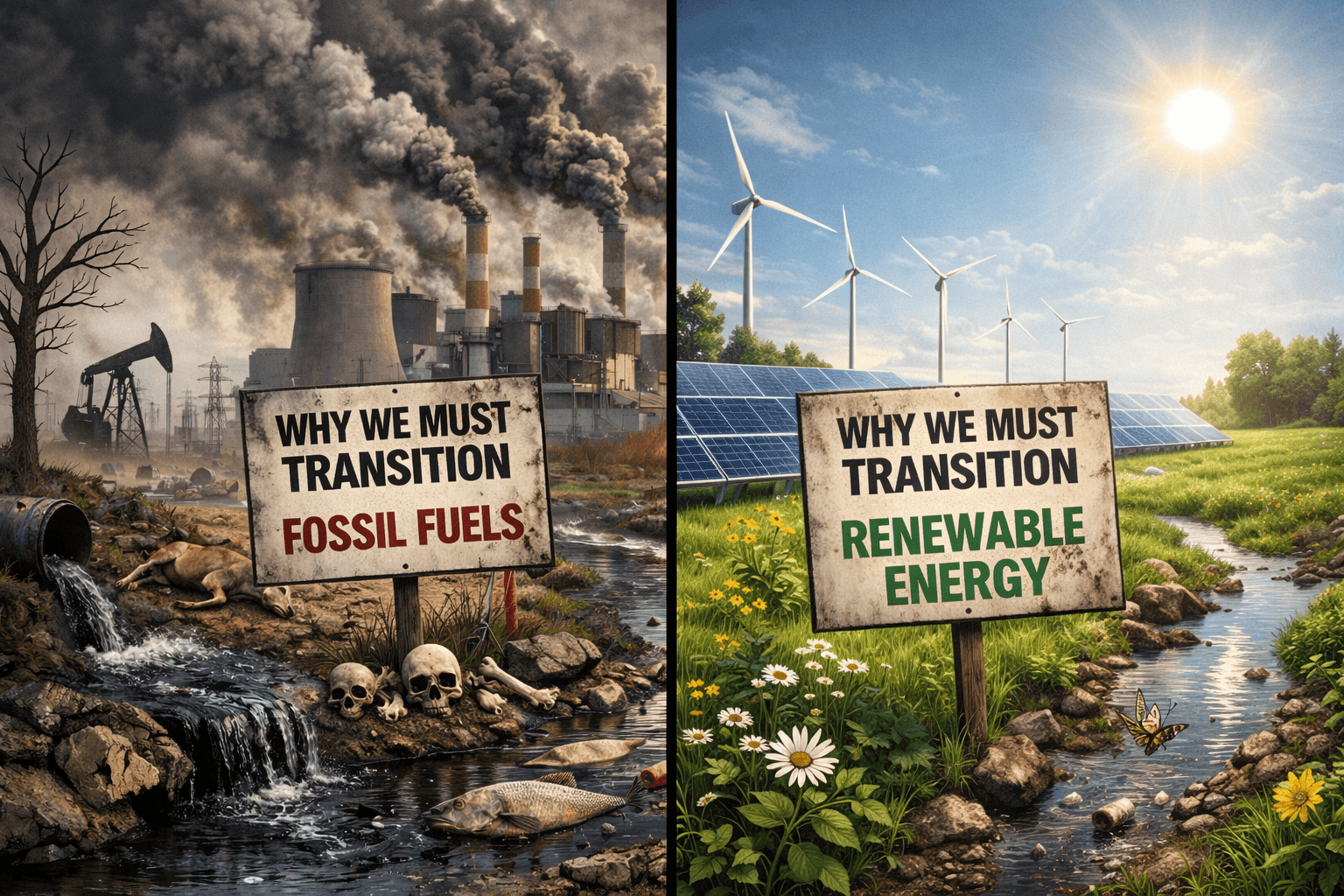
Turkey's energy transition can no longer be evaluated solely under climate policy; it has become a system matter directly linked to supply security, cost management and industrial competitiveness. According to the Ministry of Energy and Natural Resources' latest data, Turkey's gross electricity consumption reached 360.9 TWh in 2025 and generation 362.9 TWh. In the same picture, coal's share of electricity generation was 33.6%, natural gas 23%, while hydro stood at 15.8%, wind at 10.9% and solar at 10.5%. In other words, wind and solar together now account for more than one-fifth of total generation.
The transition is even more visible on the installed capacity side. According to the Ministry's update of 19 February 2026, Turkey's installed capacity reached 123,284 MW at end-January 2026. Of this, 20.9% is solar, 12.1% wind and 26.2% hydro. Natural gas's share is 19.4% and coal's 17.8%. Moreover, the number of power plants in the country exceeds 41,000, of which more than 39,000 are solar plants. This clearly shows the energy system evolving from a few large central plants to a much more widespread, distributed structure.
Turkey's official roadmap confirms this direction. In a February 2026 statement, Energy Minister Alparslan Bayraktar reiterated Turkey's target to raise solar and wind installed capacity to 120 GW by 2035; he noted that this requires 8,000–10,000 MW of new solar and wind investment per year and that at least 2,000 MW of YEKA tenders will continue annually. The same statement said that under the Sivas and Karaman Taşeli projects, a total of 2,000 MW of new solar capacity would come online, with an additional 3,000 MW of solar and wind in the second phase.
This transition is not limited to capacity growth; cost dynamics are also changing. The announced feed-in tariffs of 2.35 euro cents/kWh for the Sivas project and 1.99 euro cents/kWh for Karaman Taşeli show that large-scale renewable projects can now be structured at much more competitive costs in Turkey. Combined with the goal of reducing dependence on fossil fuel imports, this reveals renewable investments as both an environmental and a macroeconomic tool.
International analysis confirms this momentum. According to Ember's Turkey Electricity Review, solar generation increased 39% year-on-year in 2024 and solar's share of electricity generation rose to 7.5%. The same report noted that Turkey reached its 2025 solar target earlier than expected. Read together with 2025 and 2026 official capacity announcements, this trend shows that the question "why should we transition?" has gained not only an environmental but a structural answer: because demand is growing, imports create vulnerability, and the fastest, most scalable part of new capacity growth comes from renewables.