Turkey's electricity system is undergoing a structural transformation. Historically dependent on imported fossil fuels—particularly natural gas and coal—the country is now implementing a long-term transition toward a diversified renewable energy system.
According to Turkey's National Energy Plan, the country aims to significantly increase renewable generation capacity by 2035 and reduce the relative share of fossil fuels in electricity production. The plan outlines a pathway in which solar and wind power become the dominant sources of new capacity additions over the next decade.
Turkey's installed electricity capacity exceeded 123 GW in early 2026, with renewables already accounting for more than half of the total capacity. Hydropower remains the largest renewable source, but solar and wind are growing at the fastest pace. Solar capacity alone has expanded rapidly in recent years due to falling technology costs and supportive regulatory frameworks.
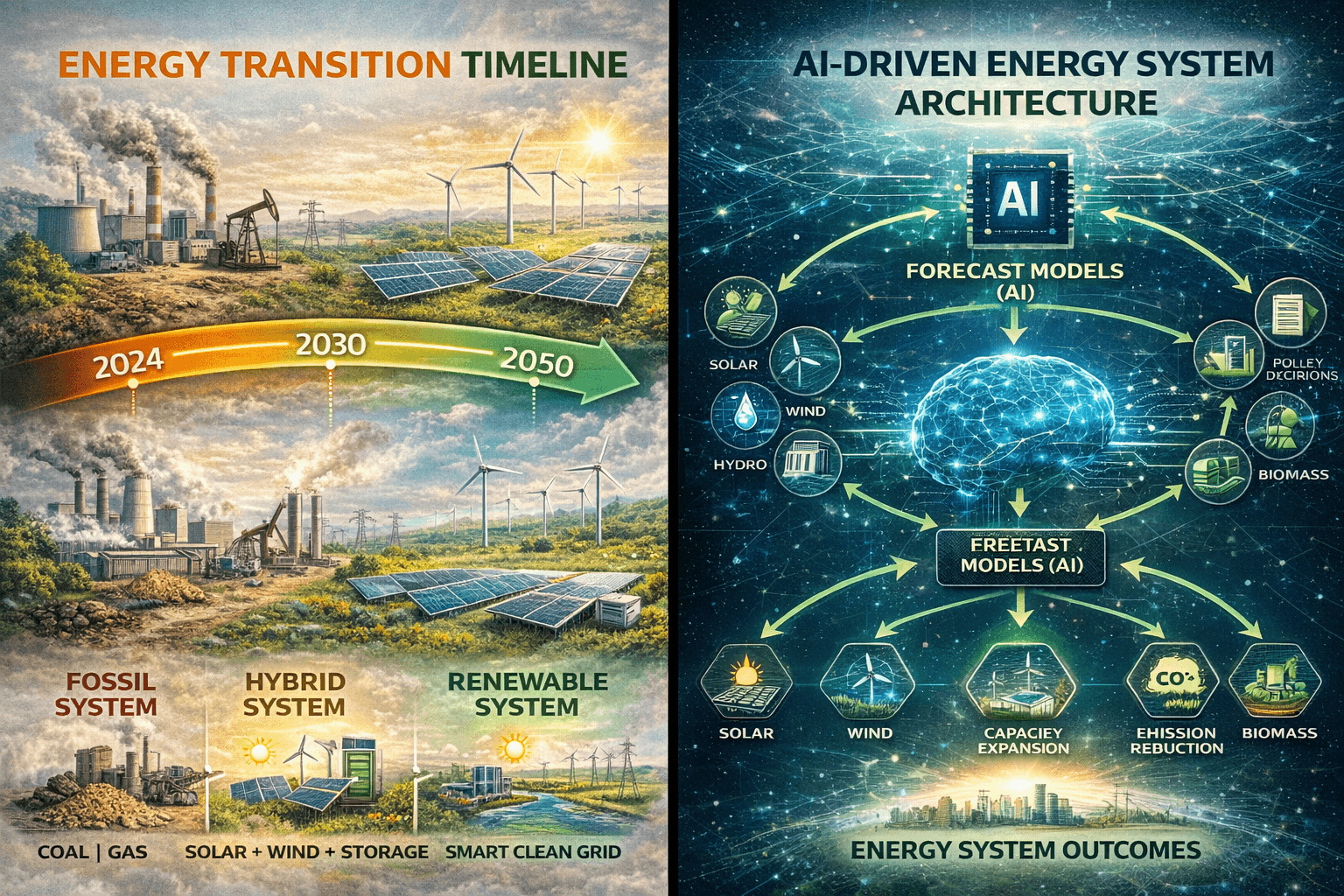
Three-phase transition — The long-term transition roadmap typically unfolds in three phases. The first phase, historically dominated by fossil fuels, relied heavily on coal and natural gas to meet growing electricity demand. During this period, Turkey imported large volumes of natural gas for power generation, making the electricity sector vulnerable to international fuel price fluctuations.
The second phase, currently underway, is characterized by the emergence of a hybrid energy system. In this stage, solar and wind are integrated into the grid alongside conventional generation and hydropower. Grid modernization, energy storage, and demand-side management are becoming increasingly important to maintain system reliability.
The third phase, expected to mature by 2050, envisions a highly renewable electricity system supported by smart grids, energy storage technologies, and digital optimization tools. In this scenario, renewable energy—particularly solar and wind—becomes the backbone of the electricity supply.
Economic dimensions — Turkey's energy transition is also closely tied to economic considerations. Reducing fossil fuel imports can significantly lower the country's energy import bill, which has historically represented a major component of the trade deficit. At the same time, renewable energy investments are creating new industrial opportunities, including solar manufacturing, wind turbine components, and grid technologies.
The transition timeline reflects a broader global trend: the gradual evolution from fossil-based energy systems to digitally managed, renewable-dominant electricity networks.