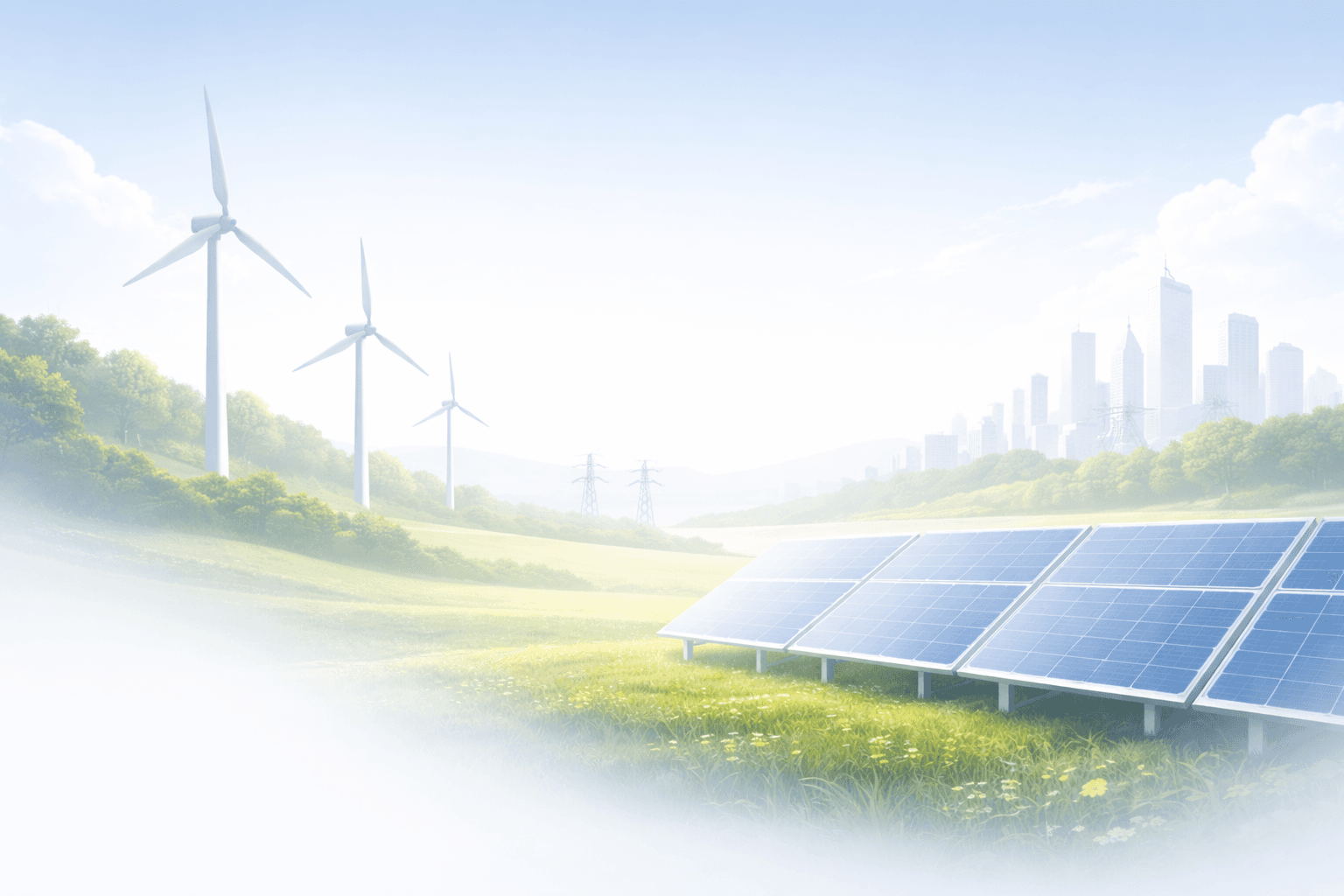
Urban energy systems are undergoing a profound transformation as cities around the world integrate renewable energy technologies, smart infrastructure, and digital energy management systems.
Traditionally, electricity systems were designed around centralized power plants that transmitted electricity to cities through large transmission networks. However, the rapid growth of renewable energy technologies is reshaping this model.
Solar panels installed on rooftops, urban solar farms, electric vehicle charging infrastructure, and battery storage systems are increasingly becoming part of city energy networks. These distributed energy resources allow cities to generate a larger share of their electricity locally while reducing dependence on centralized fossil fuel power plants.
Smart grids — Smart grids play a crucial role in coordinating these new energy systems. Digital monitoring technologies allow grid operators to track electricity flows in real time and optimize energy distribution across the network.
Electric vehicles are also becoming an important component of urban energy systems. EV batteries can act as flexible energy storage resources, helping balance electricity supply and demand. At the same time, renewable electricity generation within cities can reduce greenhouse gas emissions and improve air quality.
Large-scale solar installations around urban areas are also becoming increasingly common. Combined with modern transmission infrastructure, these renewable power plants can supply growing metropolitan regions with clean electricity.
Urban energy transformation is therefore closely linked to broader climate strategies aimed at reducing emissions from buildings, transport, and electricity generation. Cities are expected to play a central role in the global energy transition, as they account for a large share of both energy consumption and greenhouse gas emissions.
The vision of a highly connected landscape of renewable generation, transportation systems, and smart energy networks represents a potential blueprint for future urban energy systems.